

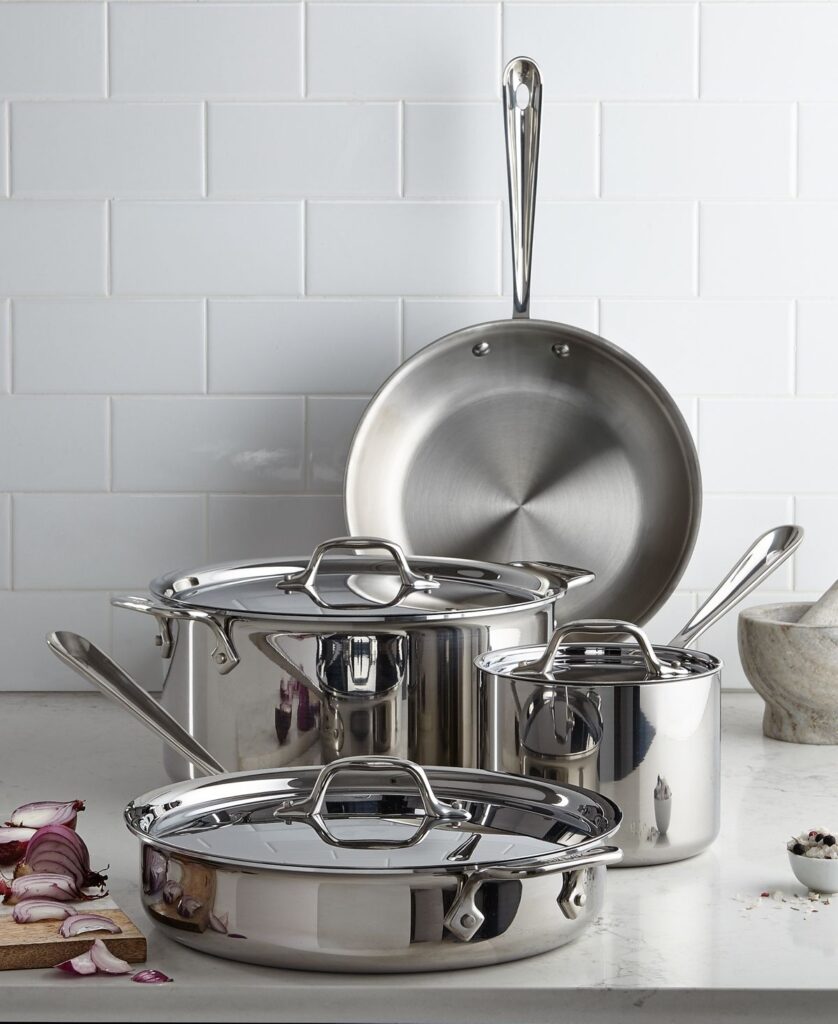
When it comes to cooking, we often focus on recipes, spices, and flavors. The type of cookware you use can directly affect the nutritional value of food, cooking safety, and even long-term wellness. Stainless steel utensils do not chip, crack, peel, or get damaged easily, making them last for many years or even generations. The right utensils not only make cooking easier but also play a huge role in our health. Today, most kitchens are filled with three popular types of cookware: Stainless Steel, Nonstick, and Aluminum. The smooth surface prevents bacteria buildup, making it one of the most hygienic cookware materials. Each has its own advantages and disadvantages, but which one is truly the best for health? Which one keeps nutrients safe? Let’s understand each one in detail so you can confidently choose the safest option for you and your family.
Why Cookware Choice Matters More Than You Think
Cooking isn’t just about heating food. We often focus on ingredients — fresh vegetables, quality oil, and spices — but forget that the vessel we cook in can also impact our health. On the other hand, the right cookware keeps food safe, hygienic, and nutritious.
Choosing safe cookware means:
- Long-lasting kitchen investment
- Healthier meals
- Less risk of toxins
- Healthier meals
So, let’s understand these three cookware types one by one.
- Stainless Steel Cookware – Safe, Strong & Hygienic Stainless Steel is like that reliable friend who never lets you down. It is made using a mix of metals like iron, chromium, and nickel, which makes it strong, rust-free, and long-lasting. Strong, stylish, long-lasting, and extremely safe for health, it is widely trusted by chefs and households worldwide. Unlike many modern cookware options that depend on chemical coatings, stainless steel is naturally strong and safe. The food, which means what you cook is exactly what you eat — pure, hygienic, and chemical-free.
Why Stainless Steel is Good for Health
- No harmful chemicals or coatings
- Non-reactive material – Does not react with acidic or alkaline food
- Highly hygienic and rust-free
- Does not release toxins even at high temperatures
- Maintains food’s original taste and nutrition
Whether you’re cooking tomato gravy, lemon-based dishes, or spicy curry, stainless steel keeps the food pure and chemical-free.
Cooking Experience with Stainless Steel
Some people worry that food sticks on stainless steel pans — but this usually happens due to improper heating. With the right technique, stainless steel performs beautifully.
Minor Drawbacks
- Food may stick if not used properly
- Slightly heavier compared to others
- Requires little oil for certain dishes
But with proper heat control and a little oil, stainless steel becomes a perfect healthy cooking partner.
- Nonstick Cookware – Convenient but Needs Caution
Nonstick cookware is loved because food doesn’t stick, uses less oil, and makes cooking super easy. From fluffy omelets to crispy cutlets, nonstick pans make cooking smooth and stress-free — especially for beginners. But when it comes to health, it is important to understand how it works and how to safely use nonstick cookware that is coated (Teflon, ceramic, or other coatings). Since food doesn’t stick or burn easily, cooking and cleaning both become quicker. When used correctly, it is safe. When damaged or overheated, it becomes risky.
Health Concerns with Nonstick
- Overheating at high flame may release toxic fumes
- Mix coating particles with food if scratched
- Cheap nonstick pans are especially dangerous
- Coating weakens over time
- Scratched or peeling coating may allow tiny particles.
Cheap nonstick pans are particularly risky.
Benefits of Nonstick
- Requires very less oil
- Perfect for delicate cooking like omelet’s or pancakes
- Great for beginner cooking
- Easy to wash and lightweight
Nonstick is not “bad,” but it must be treated gently and replaced regularly.
Safety Tips for Using Nonstick Safely
If you still prefer using nonstick cookware:
- Do NOT preheat empty nonstick pans
- Avoid metal spoons; use wooden or silicone
- Use wooden or silicone spoons instead of metal
- Do not cook at very high flame
- Replace once coating gets damaged
- Aluminum Cookware – Lightweight but Reactive
Aluminum is extremely popular because it’s lightweight, budget-friendly, and heats up super fast. Perfect for dishes that require short cooking time, boiling, steaming, and simple daily meals. From basic pots and pans to pressure cookers, aluminum has been part of households for decades — mainly because it is affordable, lightweight, and heats up very quickly. It spreads heat uniformly, helping food cook evenly without leaving raw or burnt spots. However, raw or plain aluminum can react with acidic and salty foods, which may cause aluminum particles to leach into the food.
Over time, excess aluminum consumption may not be good for health.
Health Risks of Aluminum
- Can react with acidic foods like tomatoes, vinegar, lemon
- May leach aluminum particles into food
- Long-term exposure can be harmful
- Can alter taste, color, and purity of meals
- Excess aluminum exposure over time may affect the brain.
- High-heat cooking in plain aluminum can accelerate leaching.
Acidic foods like tomatoes, lemon, and vinegar gravies react the most.
However, Anodized Aluminum is safer than normal aluminum. It has a protective layer which reduces reaction with food.
Benefits of Aluminum Cookware
- Lightweight design makes it easy to lift, carry, and handle.
- Saves gas and energy due to quick heating efficiency.
- Widely available in multiple sizes, shapes, and styles.
- Distributes heat evenly, reducing chances of burning food.
- Ideal for travel kitchens, camping, and outdoor cooking.
- suitable for quick recipes and short-duration cooking.
Conclusion
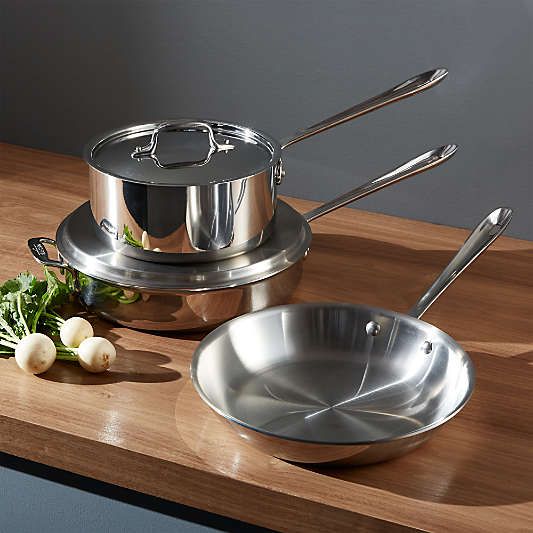
Your cookware is more than just a kitchen tool — it directly affects your health. While nonstick and aluminum cookware may be convenient, stainless steel clearly stands out as the healthiest and safest option for everyday cooking. While every cookware material has its own benefits and risks, understanding how they react with food helps you make smarter kitchen decisions
If you truly care about your family’s well-being, investing in good stainless-steel cookware is one of the best decisions you can make. Invest in good-quality utensils, cook wisely, and enjoy safe, healthy, and delicious meals with your family every day.
