

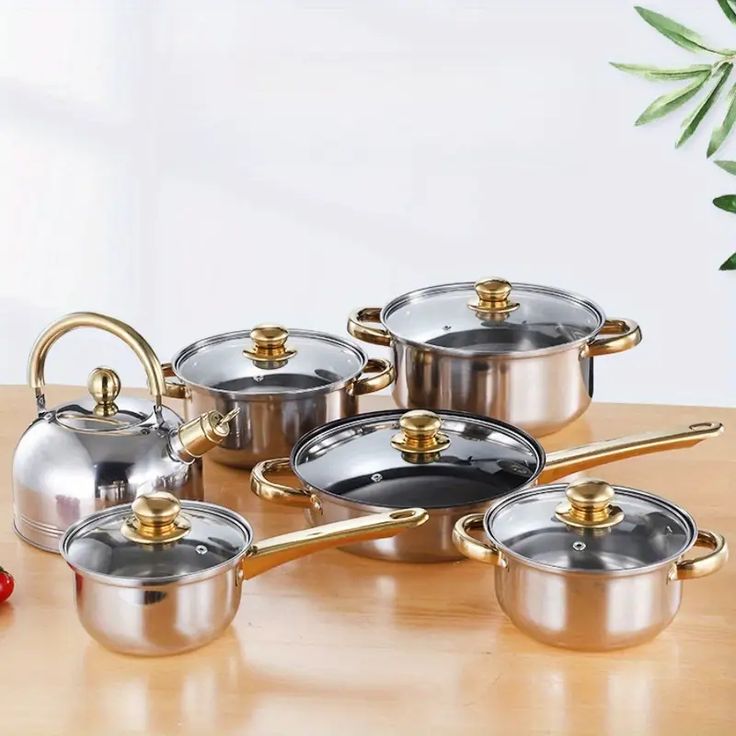
When it comes to cooking, having the right tools can make all the difference. From sizzling pans to delicate spatulas, cookware and utensils are not just functional items in your kitchen—they are the bridge between your creativity and the delicious meals you create from the sizzling of a nonstick pan to the comforting weight of a cast iron skillet; the choice of your kitchen tools can completely transform your cooking experience. Similarly, in the kitchen, cookware and utensils are not just accessories; they are essential instruments that affect the taste, texture, and safety of every meal.
In this guide, we’ll explore everything you need to know about cookware and utensils—their types, materials, uses, and health impacts—so that you can make informed decisions for a functional and stylish kitchen.
Why Choosing the Right Cookware Matters
Cookware is more than just a vessel for food—it’s the foundation of successful cooking. But the truth is, your cookware and utensils directly affect the taste, texture, and safety of your food. For example:
- Cooking tomato sauce in an uncoated copper pan may give the dish a metallic taste
- Sautéing vegetables in a warped aluminum pan may result in uneven cooking and burnt edges
.
When you invest in the right cookware, you not only improve the quality of your meals but also save time and energy in the kitchen.
Types of Cookware: Choosing What Fits Your Kitchen
There are countless options when it comes to cookware, each with its unique strengths. Let’s explore the most popular types:
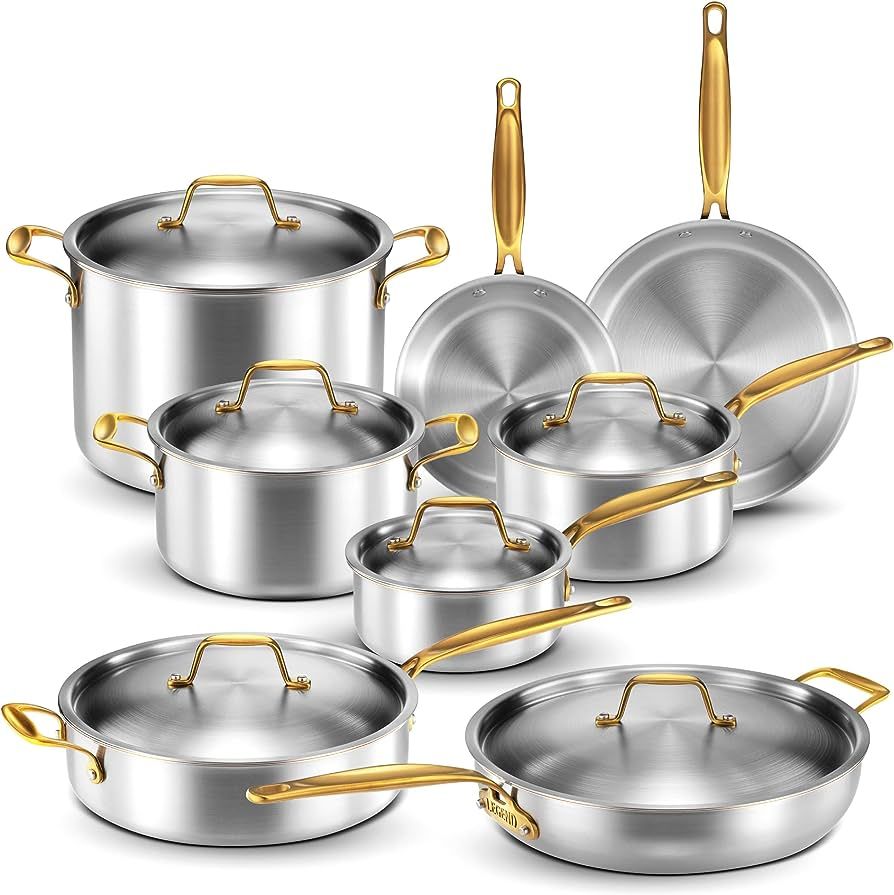
Stainless steel cookware is the gold standard for home cooks and professional chefs alike. Known for its durability and resistance to rust, stainless steel pans and pots can handle high heat without warping. Unlike nonstick or aluminum pans, stainless steel does not warp, chip, or crack over time. They are perfect for searing meats, sautéing vegetables, and even making sauces. But what makes stainless steel so special, and why should it be your go-to choice for cooking? Because it has a key advantage that they don’t react with acidic foods, keeping your dishes safe and flavorful.
Tip: Look for stainless steel cookware with an aluminum or copper core for better heat conductivity.
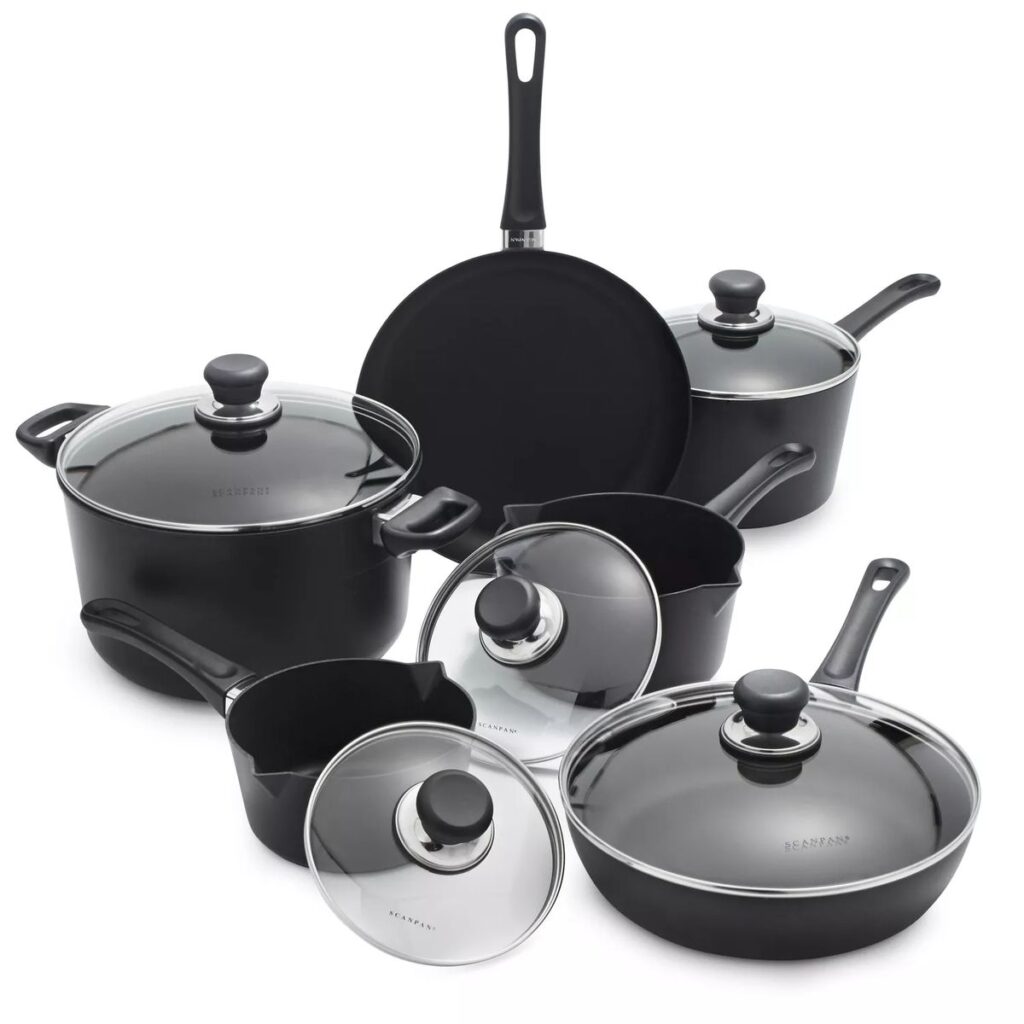
Nonstick cookware has revolutionized modern kitchens, offering convenience, speed, and ease of cleaning. With a smooth, coated surface, food slides off effortlessly, making cooking and cleaning a breeze. Cleaning a nonstick pan takes a fraction of the time compared to traditional cookware. The smooth, coated surface ensures that food slides right off, making it ideal for delicate items like eggs, pancakes, or fish. For anyone who loves cooking but hates the hassle of scrubbing stuck-on food, nonstick pans are a game-changer. But there’s more to nonstick cookware than just “food doesn’t stick. “Avoid overheating, as this can damage the coating.High-quality nonstick pans are coated with advanced layers that distribute heat evenly.
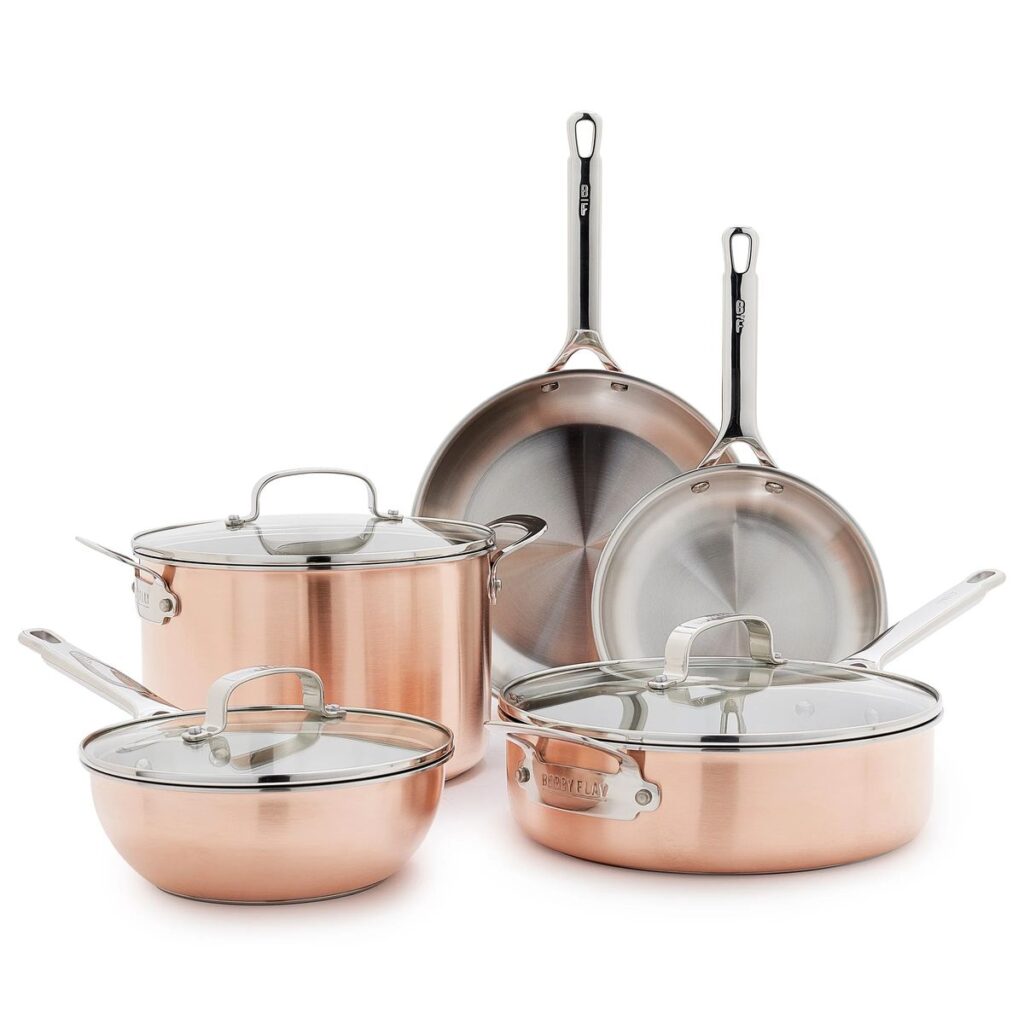
These metals have been used for centuries across the world, valued not only for their beauty but also for their unmatched performance in the kitchen. Brass, often used in traditional Indian kitchens, not only conducts heat efficiently but also adds a rustic charm to your kitchen. These metals have been used for centuries across the world, valued not only for their beauty but also for their unmatched performance in the kitchen. Brass cookware combines the heat conductivity of copper with durability, making it suitable for a wide range of cooking styles. These metals are not just beautiful—they have natural antibacterial properties, adding a layer of safety to your cooking.
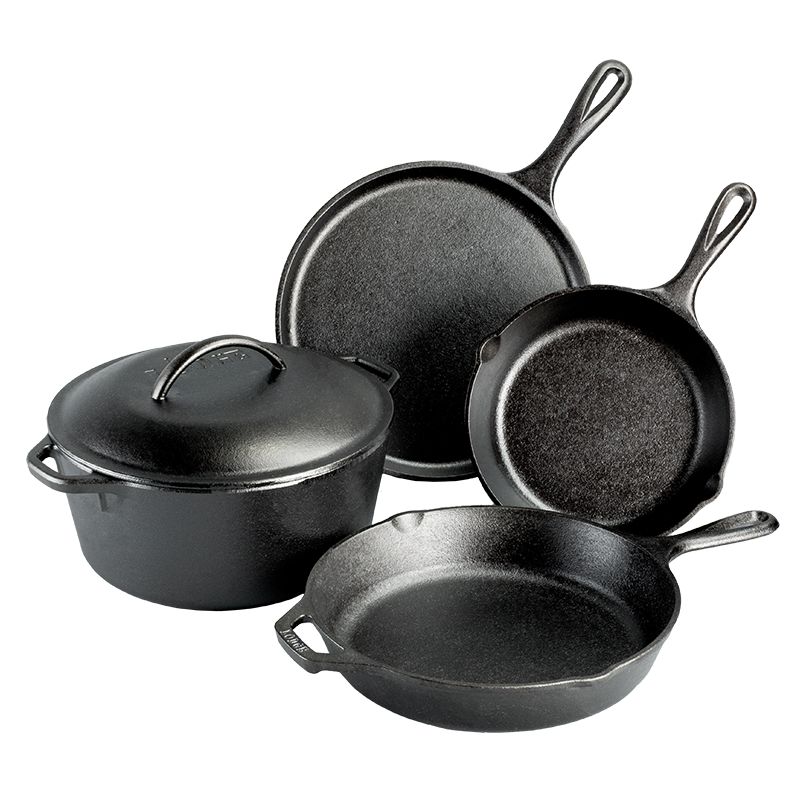
Cast iron is a powerhouse for hearty cooking. Known for its incredible heat retention, it is perfect for slow-cooked stews, frying, and baking Cast iron holds heat exceptionally well, ensuring even cooking throughout. Its heavy, durable construction allows it to retain heat like no other pan, making it ideal for hearty cooking, from slow-cooked stews to sizzling fried foods. Cast iron is almost indestructible. Though heavy, it’s a versatile tool that can last generations if cared for properly.
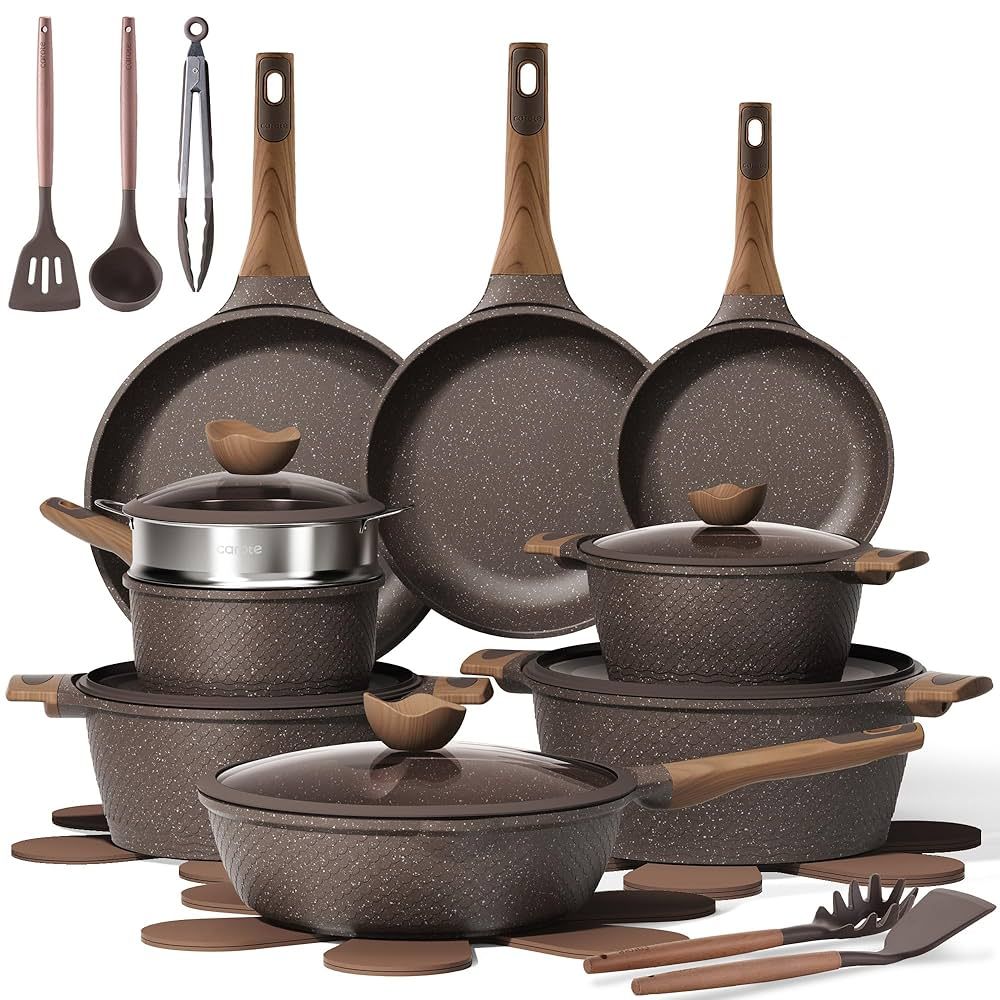
Aluminum cookware is one of the most practical choices for modern kitchens, known for its lightweight design, excellent heat conductivity, and affordability. Modern anodized aluminum cookware is durable and resistant to scratching, combining efficiency with longevity. Unlike cast iron or copper, aluminum pans are light, making them ideal for everyday cooking. Lifting, stirring, and pouring are effortless—even when the pan is full of food This is especially beneficial for home cooks who want convenience without sacrificing quality.
Must-Have Kitchen Utensils
Cookware sets the foundation, but utensils are the hands of your kitchen. The right utensils improve precision, reduce effort, and make cooking enjoyable. Here are some essentials:
Essential Utensils Everyone Needs
- Spatulas: Spatulas are versatile tools, used for flipping, scraping, and spreading. Perfect for flipping, stirring, and scraping.
- Ladles: Essential for soups, stews, and sauces Stainless steel or heat-resistant silicone ladles make serving effortless and safe.
- Tongs: For turning meats or serving salads, a sturdy pair of tongs makes handling food easy and safe.
- Cooking Spoons: A set of wooden or stainless-steel spoons ensures you have the right tool for stirring, tasting, and serving. Wooden spoons are gentle on nonstick surfaces and don’t conduct heat, while stainless steel spoons are durable and dishwasher safe.
- Whisks: Vital for blending, whipping, and emulsifying sauces. Stainless steel whisks are versatile and long-lasting.
Specialty Utensils
Depending on your cooking style, consider adding these to your kitchen:
- Zesters and Peelers: Perfect for adding citrus flavor or preparing vegetables.
- Pastry Brushes: For glazing and marinating.
- Measuring Tools: Accurate measurements ensure your recipes turn out perfectly.
- Garlic Presses: Save time and get even garlic pieces.
Caring for Your Cookware and Utensils
Proper maintenance ensures your kitchen tools last longer and perform better. Here are some tips:
- Store Properly: Keep utensils and cookware in a dry, ventilated space to prevent damage.
- Season Cast Iron: Regular seasoning prevents rust and maintains nonstick surfaces.
- Hand Wash Delicate Items: While some cookware is dishwasher-safe, handwashing preserves the finish.
- Avoid Metal on Nonstick: Use silicone, wooden, or plastic utensils.
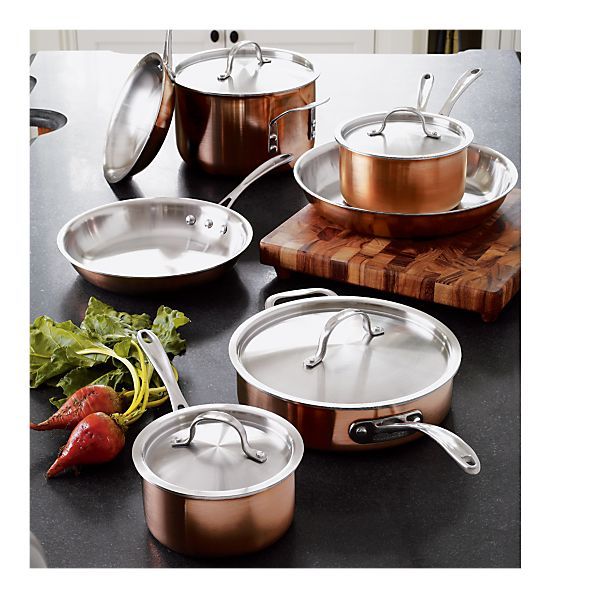
Conclusion: Cookware and Utensils Matter More Than You Think
Cookware and utensils are more than mere tools—they shape your cooking, impact your health, and define your kitchen experience. From the gleaming copper pan to the versatile silicone spatula, every item has its role, and every choice matters. Similarly, in the kitchen, cookware and utensils are not just accessories; they are essential instruments that affect the taste, texture, and safety of every meal. From the gleaming copper pan to the versatile silicone spatula, every item has its role, and every choice matters. Equip yourself wisely, and every meal you prepare can be a masterpiece.
